Change Management Built for Zero-Surprise Rollouts
Every design tweak, process change, and unplanned deviation goes through one governed workflow. FAST Quality Change Management Software combines auto-numbered ECN/PCN generation, cross-functional impact analysis, and RACI-driven approvals — so nothing reaches the shop floor, or the customer, unverified.
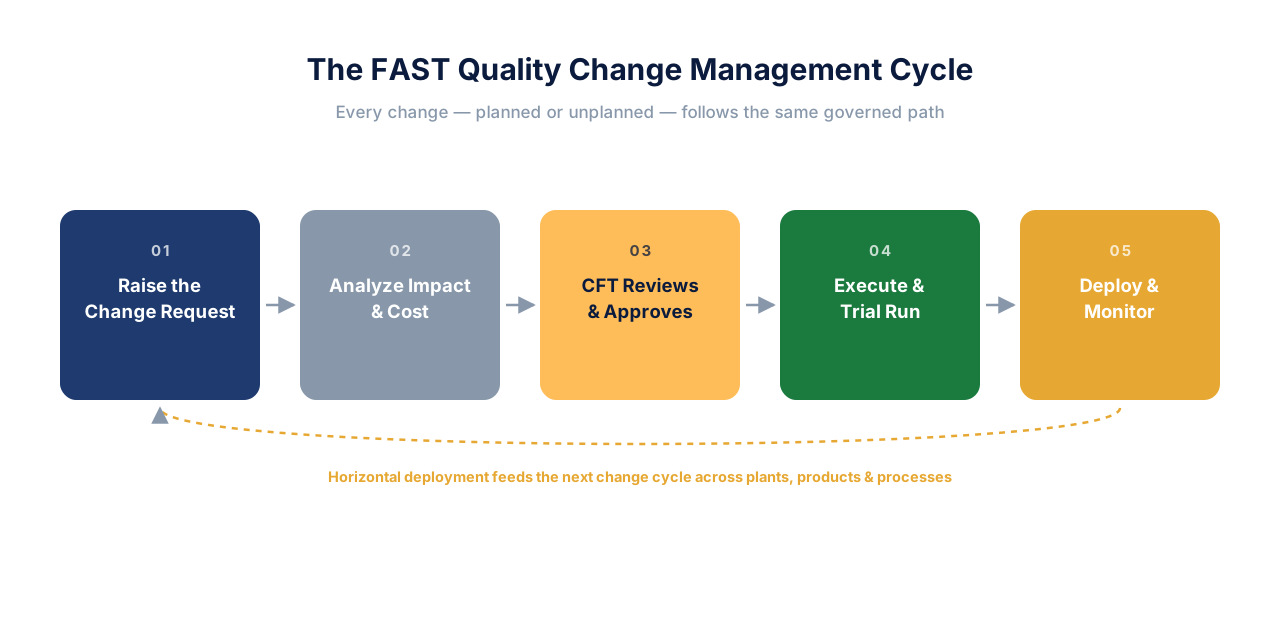
Everything You Need to Know Before Scrolling Further
The complete FAST Quality Change Management offering — key features, the change types it covers, and what it delivers.
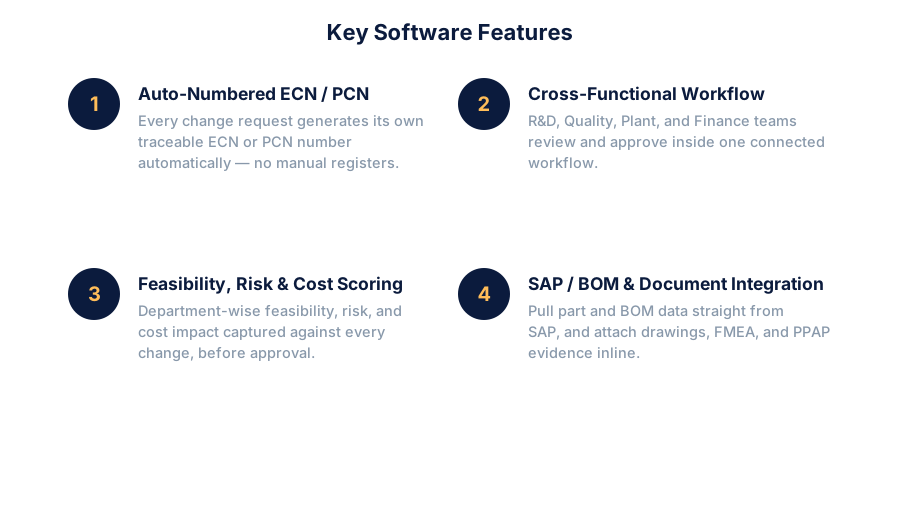
Key Software Features
Auto-numbered ECN/PCN, cross-functional approval workflow, feasibility/risk/cost scoring, and SAP/BOM & document integration in one connected system.
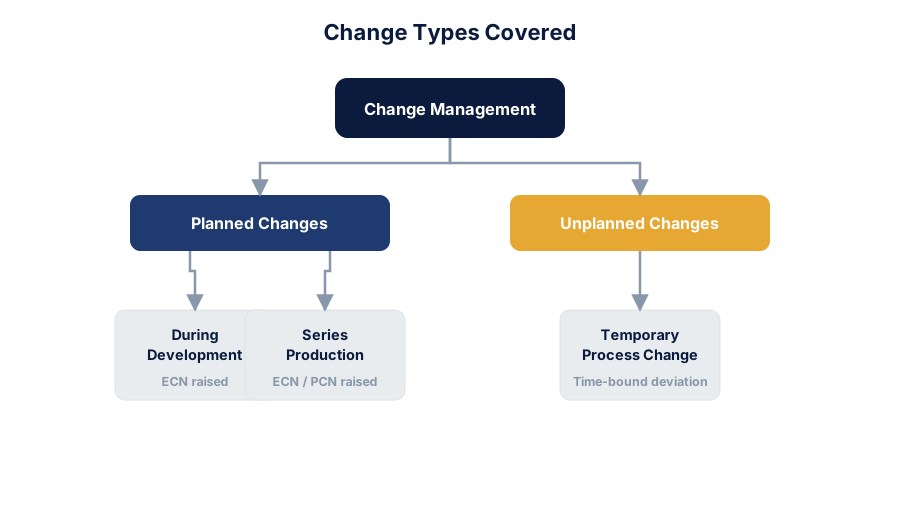
Change Types Covered
Planned design and process changes raised during development or series production, and unplanned, time-bound temporary process deviations — all on one governed path.
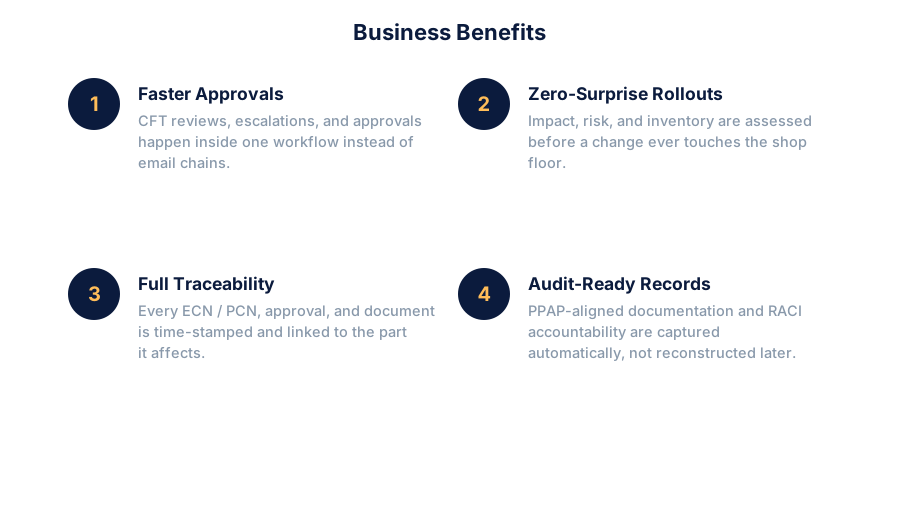
Business Benefits
Faster approvals, zero-surprise rollouts, full traceability, and audit-ready records — captured automatically instead of reconstructed after the fact.
One Governed Path for Every Design, Process, and Unplanned Change
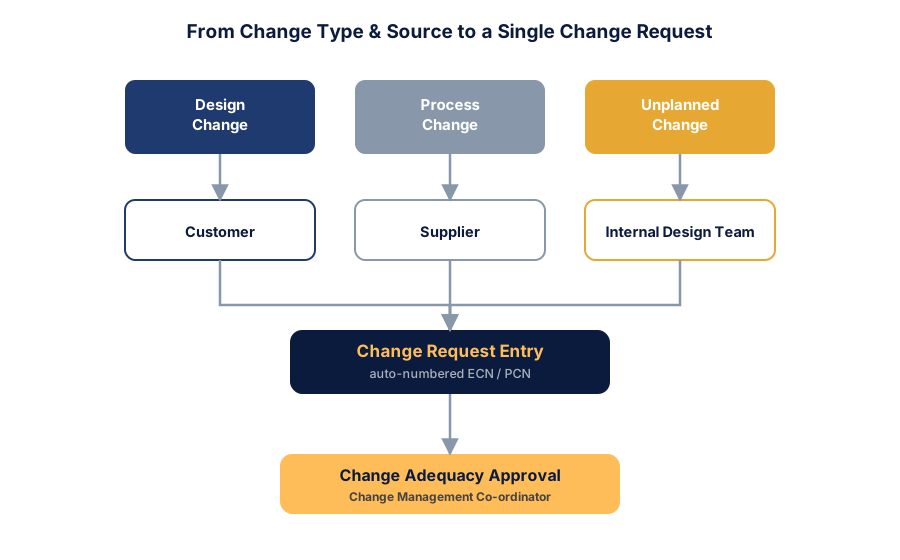
FAST Quality Change Management Software is an enterprise-grade change control system that governs engineering change notices (ECN) and process change notices (PCN) from request through final closure. Every change — whether raised by a customer, a supplier, or an internal design team — enters the same structured workflow.
Design changes and process changes raised during development or series production auto-generate an ECN or PCN. Unplanned changes, such as a temporary process deviation to keep production running, follow an expedited version of the same governed path — never an off-the-books workaround.
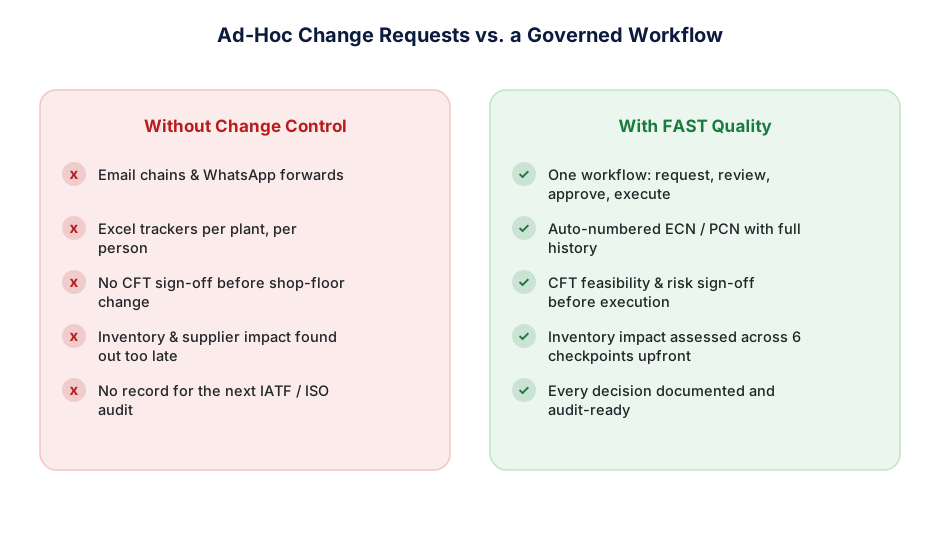
Uncontrolled Changes Are How Good Parts Turn Into Field Failures
When a design tweak or a process change is approved over email, WhatsApp, or a plant-level Excel tracker, nobody upstream sees the whole picture. Inventory sitting at the customer, in transit, or with a supplier gets missed. Cost impact never reaches finance. And when the auditor asks for the trail six months later, it does not exist.
FAST Quality brings every change into one structured, traceable workflow. The cross-functional team reviews feasibility and risk before a single part is touched, inventory impact is checked across six points in the supply chain, and every decision — approved, rejected, or escalated — is logged with a date, an owner, and a reason.
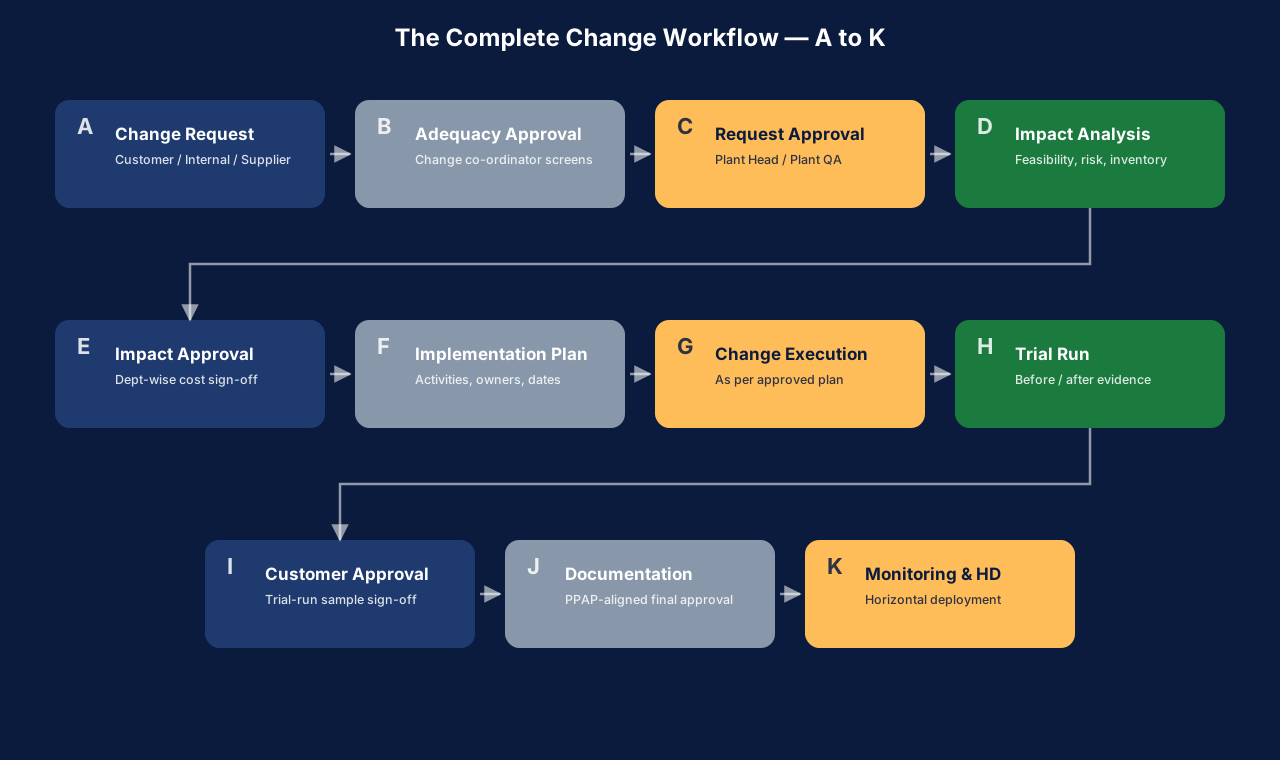
Eleven Stages, From Change Request to Horizontal Deployment
FAST Quality supports the complete change control lifecycle — request, adequacy screening, approval, impact analysis, impact approval, implementation planning, execution, trial run, customer approval, documentation, and monitoring with horizontal deployment. Every stage is tracked with a responsible owner, a target date, and an auditable record.
No stage can be skipped, and no change reaches series production without passing through impact analysis and formal approval — regardless of who raised it or how urgent it feels on the shop floor.
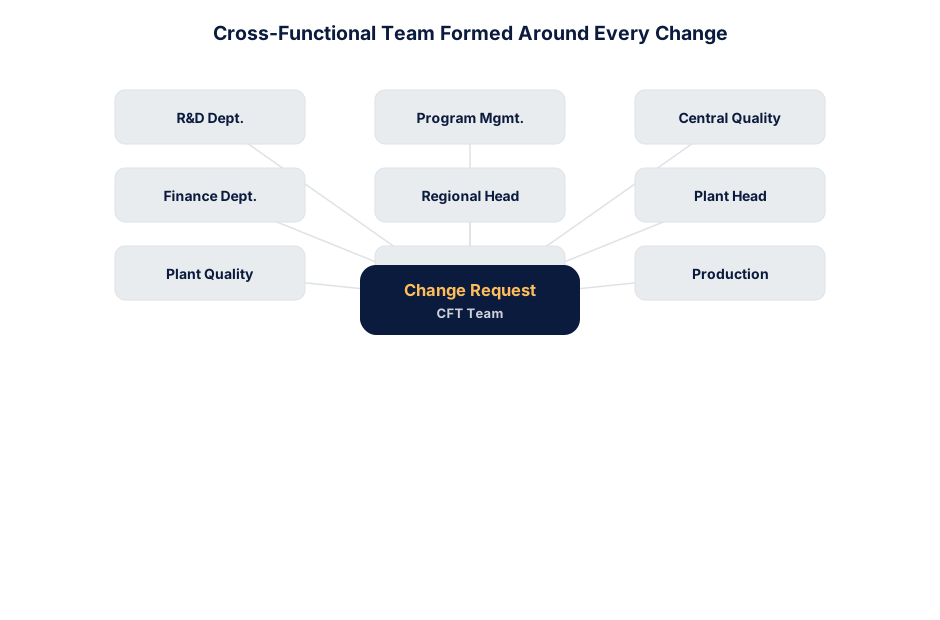
Every Change Is Reviewed by the People It Actually Affects
A change request automatically pulls in the right cross-functional team — R&D, Program Management, Central Quality, Finance, Regional Head, Plant Head, Plant Quality, Manufacturing Engineering, and Production — selected from a master database rather than chased down individually.
Feasibility, Risk, and Inventory — Checked Before Anything Moves
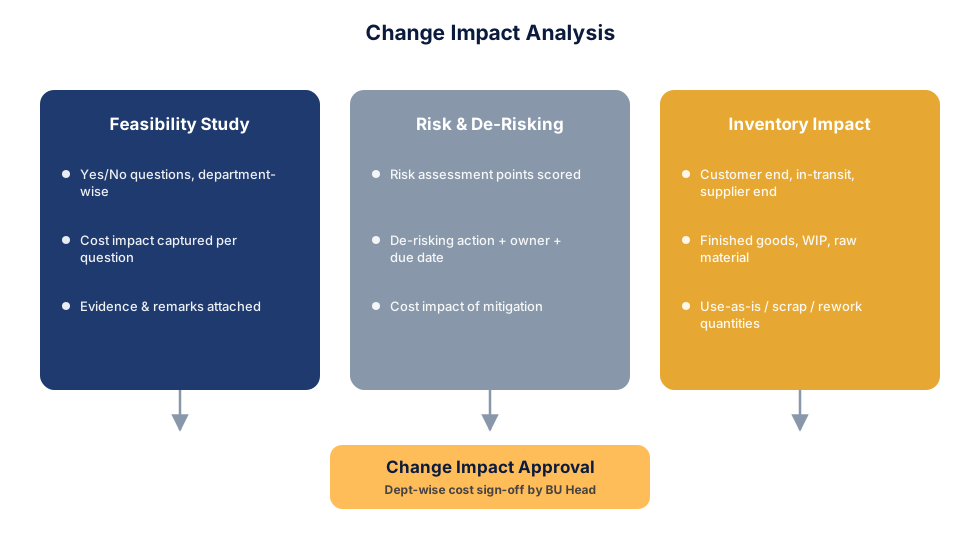
Before a change touches the shop floor, FAST Quality runs three layers of impact analysis. Feasibility is scored department-wise with simple Yes/No questions and a cost impact against each. Risk is assessed with a defined de-risking action, an owner, and a target date. And inventory impact is checked across six points — customer end, in-transit, finished goods, WIP, raw material, and supplier end — with use-as-is, scrap, or rework quantities captured for each.
Nobody's Change Request Sits Idle Waiting on One Person
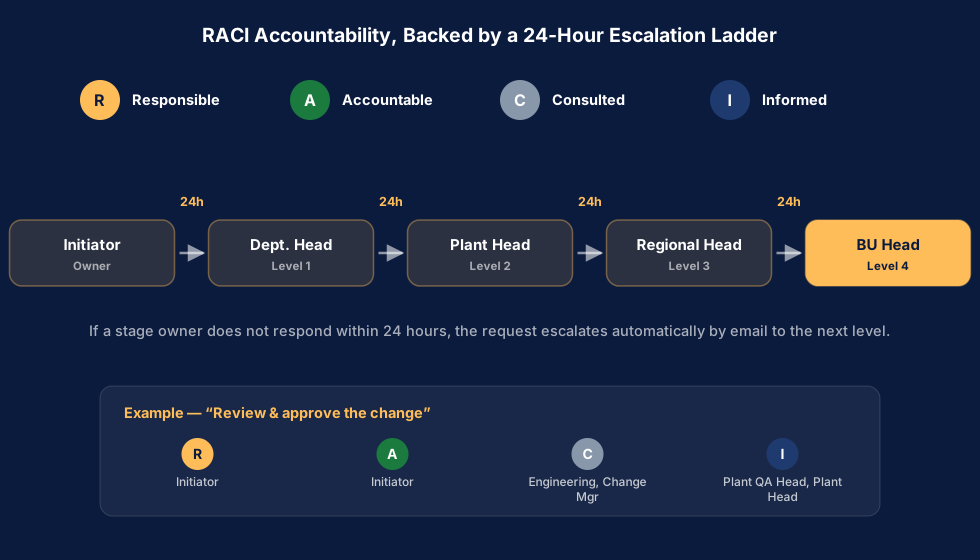
Every stage of the workflow carries a RACI assignment — who is Responsible, who is Accountable, who is Consulted, and who is only Informed. That accountability is backed by an automatic 24-hour escalation matrix: if a stage owner does not act within a day, the request escalates by email to the next level — from Initiator, to Department Head, to Plant Head, to Regional Head, and finally to the BU Head.
Proven on a Trial Run — Then Signed Off, Not Just Assumed
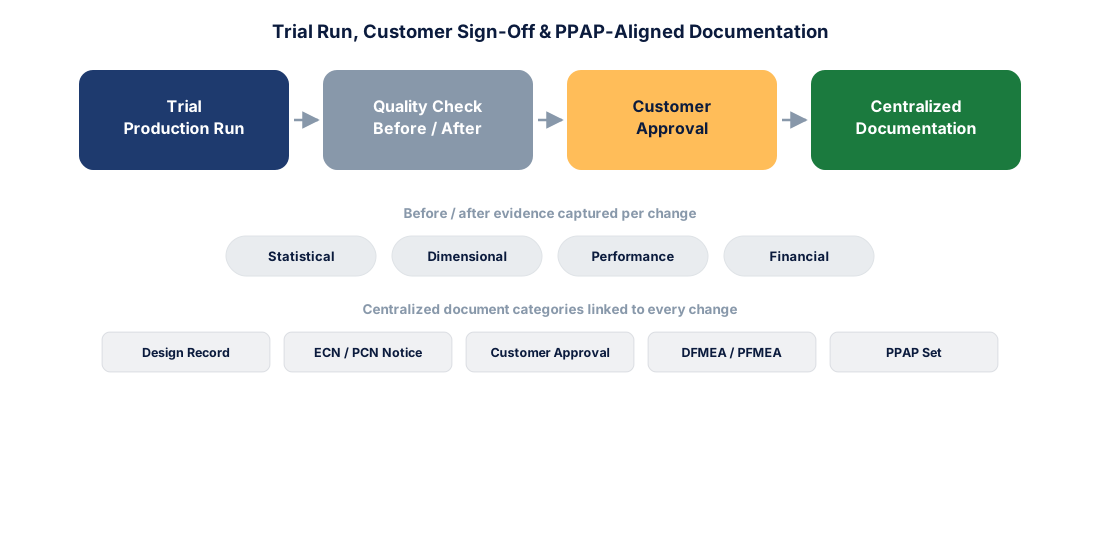
Before a change goes into full series production, FAST Quality requires a trial production run, followed by a documented quality check with before/after evidence — statistical, dimensional, performance, or financial comparison. Where required, trial-run samples are submitted for formal customer approval before the change is finalized.
Every supporting document — design records, the ECN/PCN notice itself, customer approval evidence, DFMEA/PFMEA, and the rest of the PPAP-aligned set — is stored centrally against the change, with SAP and BOM integration so parts and BOM data don't need to be re-typed.
One Fix, Applied Everywhere It Should Be
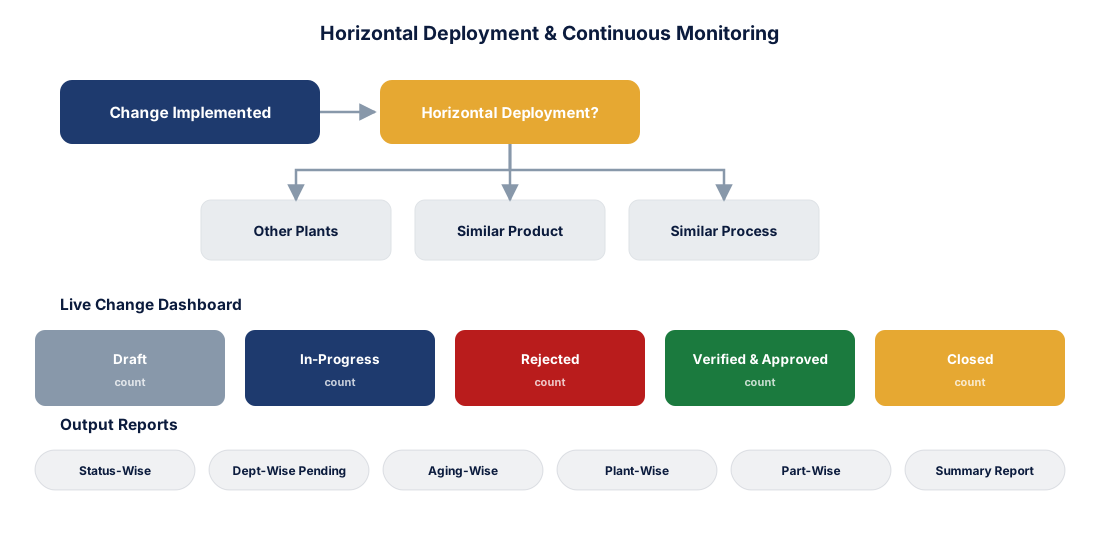
Once a change is implemented and series production begins, FAST Quality checks whether the same fix applies to other plants, similar products, or similar processes. If it does, the details are documented and a fresh change request is raised for each additional customer or plant — so a good fix does not silently stay local to the one line it started on.
A live dashboard tracks every change by status — Draft, In-Progress, Rejected, Verified & Approved, and Closed — alongside status-wise, department-wise pending, aging-wise, plant-wise, part-wise, and summary reports for management review.
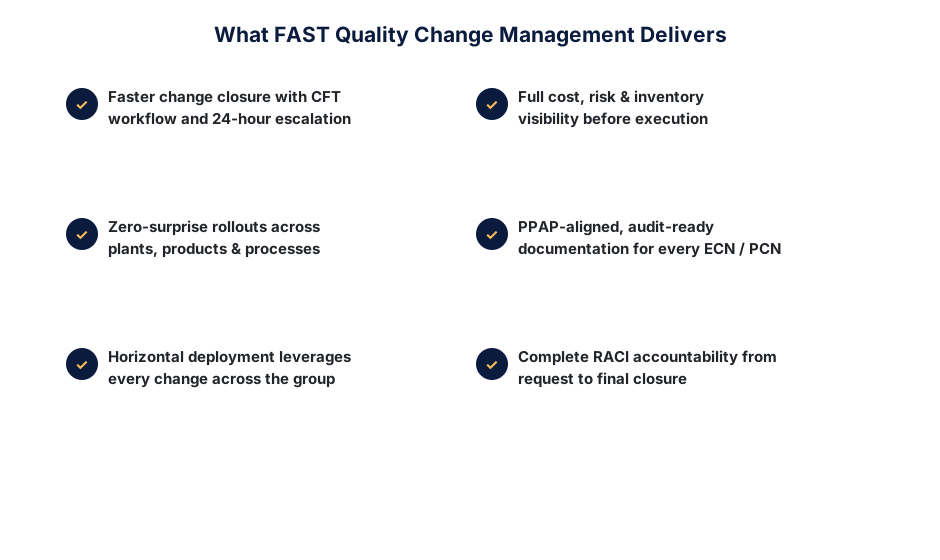
What FAST Quality Change Management Delivers
FAST Quality Change Management Software delivers measurable improvement across every stage of the change lifecycle — from the moment a change is requested through to its horizontal deployment across the group.
See FAST Quality Change Management in Action
Book a free walkthrough and see how FAST Quality governs every ECN, PCN, and unplanned deviation through one connected workflow — from request to horizontal deployment.